- Home
- Machine Loading Services
Machine Loading Services in India
At Bharat Industrial Machinery Movers, we provide industrial equipment loading services. Moving heavy machinery shouldn’t put your operations or equipment at risk. Our engineers help with precise planning and machinery handling to keep your assets safe.
Our teams assess machine weight, dimensions, lifting points, and access conditions first. We then choose suitable rigging and handling equipment for each machine.
Get In Touch
Request a Quote
Contact us today for a free site assessment and customized loading plan
Types of Industrial Machinery Loading Services
Industrial machine loading involves transferring equipment from factory floors onto transport vehicles. Our team first checks the machine, floor, access, and loading area. We assess the center of gravity and approved lifting points carefully. Based on this, our riggers plan a stable and controlled lift.
We use different machines, like cranes, gantries, or other hydraulic systems. We choose the methods that suit different machines, floor layouts, and loading conditions.
Heavy Machinery Loading Services
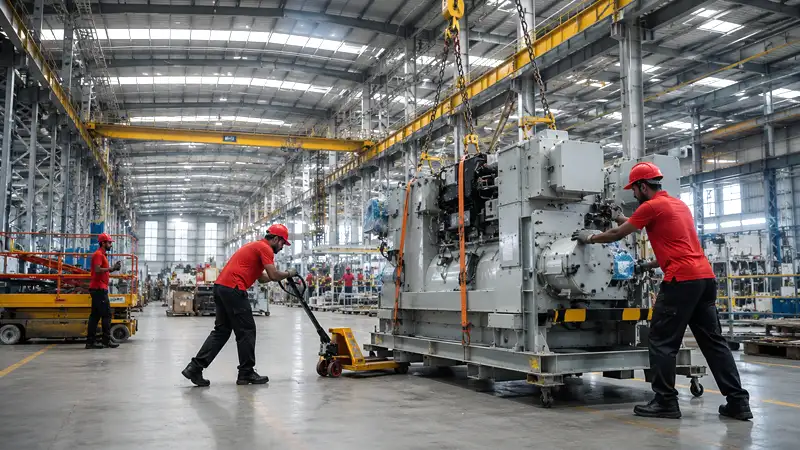
Loading heavy machines leaves zero room for error. For machines like presses and CNC lines, you need to focus on total balance. Our engineers inspect total weight and floor limits. They calculate the center of gravity for every lift. Riggers choose strong cranes to move heavy loads. We execute every single lift with exact precision.
Machine Loading and Unloading
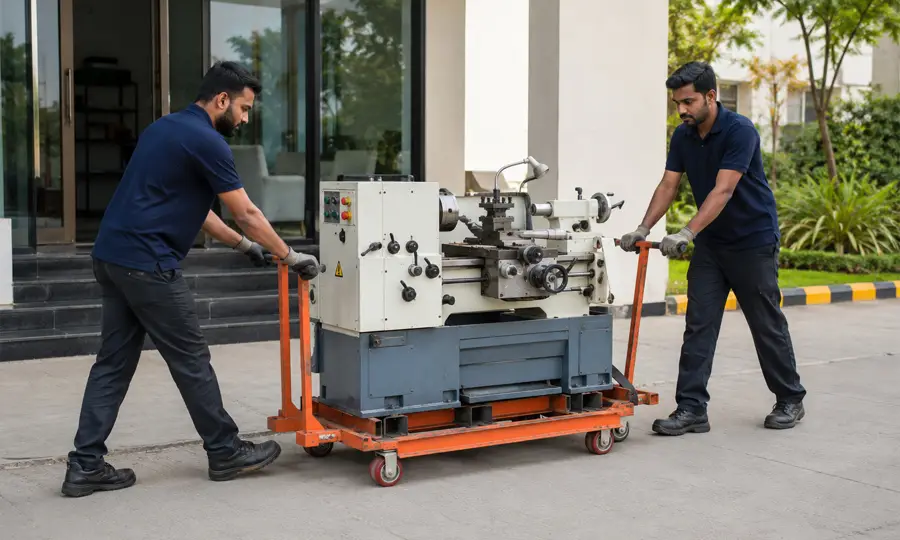
When it comes to loading heavy machinery, careful handling can prevent costly damage. Our equipment loading and unloading services protect all machine types. We coordinate every step to keep total control throughout. Teams inspect site access, floor conditions, and lift points first. Heavy tools like jacks, skates, gantries, or cranes support unloading. This careful approach keeps machines stable during every transfer.
Machine Loading for Transportation
Safe transit starts with proper machine positioning and securement. Our teams place machinery based on total weight and transport specs. We use heavy chains, binders, and restraints to lock items down. We also use custom protective supports to absorb road movement and unwanted vibration. For carrying heavy or oversized industrial equipment safely, we use low-bed trailers. We also check all route restrictions before dispatching your load.
Crane-Assisted Machine Loading
Crane-assisted loading works best when machines cannot reach transport vehicles directly. Our riggers assess machine weight, lifting points, and crane capacity first. Our riggers always check the ground stability before using any outriggers for heavy lifting. They make sure the crane hook is directly over the center of gravity. This is essential to maintain balance and avoid dangerous swinging.
Hydraulic Machine Loading
We use hydraulic lifting to move heavy machines for factories with low overhead ceilings where cranes cannot operate. Our team uses hydraulic jacks to raise the machine. We also use skidding systems or heavy skates. By leveraging controlled hydraulic power, we make precise height and position adjustments, providing an ideal low-clearance handling solution for heavy equipment.
CNC Machine Loading
CNC Machine Loading requires careful handling because precision components need protection. Our team checks lifting points, balance, access, and machine configuration. Air casters or skates can support controlled movement across factory floors. Transit locks and protective measures may secure sensitive machine components. We also consider vibration during loading and transportation.
Press Machine Loading
Loading a press machine needs careful planning because presses carry concentrated weight. Our team checks the press configuration and centre of gravity first. Riggers then select suitable cranes, gantries, jacks, or skates. The loading method depends on press weight, access, and transport requirements. We secure the press properly before transportation begins.
Injection Molding Machine Loading
Injection Molding Machine Loading requires attention to uneven weight distribution. Clamping and injection units can create different load concentrations. Our riggers identify the centre of gravity before attaching lifting equipment. They protect tie bars, hydraulic components, hoppers, and other exposed parts. Suitable supports can protect extended sections during trailer loading.
We also offer other machinery services.
Our Machine Loading Process
Site Survey and Assessment
We inspect machine dimensions, weight, lifting points, access routes, and floor conditions. We also check loading areas and available transportation options.
Lift Planning and Rigging
Our engineers select suitable lifting equipment and prepare the rigging arrangement. Riggers verify lifting points, sling positions, load balance, and movement paths.
Site Preparation
Our team prepares the loading area before moving heavy equipment. They establish exclusion zones and position handling equipment correctly.
Controlled Machine Movement
We use different equipment like skates, forklifts, and cranes, depending on machine weight and available space.
Lifting and Loading
Riggers carefully lift machinery and transfer it onto transport equipment. They check machine balance throughout the loading operation.
Securing for Transportation
When it comes to heavy equipment transportation, we position the machine correctly and secure it using suitable restraints. Teams check tie-downs, supports, clearances, and machine stability before dispatch.
Safety Measures That Set Us Apart
Machine loading and unloading services involve more than lifting and securing heavy equipment. We take additional precautions to protect machinery, people, and factory infrastructure.
Machine Component Immobilization
We secure movable internal components before starting the loading operation. Transit bolts, brackets, or approved supports help prevent unwanted internal movement.
Protective Barrier Wrapping
We protect sensitive surfaces and electronic components during industrial equipment handling and transportation. Suitable wrapping helps reduce exposure to moisture, dust, and other contaminants.
Dedicated Signalperson Support
A dedicated signalperson guides crane and handling equipment during critical movements. They communicate with operators and watch clearances throughout the loading operation.
Final Toolbox Safety Check
Our supervisors review the loading method before every major lifting operation. They confirm equipment readiness, movement steps, and site conditions before work starts.
Utility Clearance Checks
Our teams check overhead and surrounding utilities along the loading path. They look for electrical busways, gas lines, ducts, cranes, and other obstacles.
Doorway and Structural Protection
We protect door frames, walls, columns, and thresholds along movement paths. Suitable padding or temporary protection helps prevent accidental contact during industrial material handling.
Looking for Pan-India Heavy Machine Loading Services?
Heavy equipment relocations allow zero room for costly errors. We handle CNCs, heavy presses, and injection molding machinery nationwide. Our specialist teams engineer lifts to your exact site specifications.
Get a custom quote for your machine loading project today.